Expanding your home can transform how you live. At Neil Kelly, we guide you through the full design/build process, combining expert planning, skilled craftsmanship, and attentive project management to bring your vision to life.
From adding a new room or extending your existing space to building an ADU for family or additional space, we create additions that are functional, beautiful, and seamlessly integrated with your home. Let’s explore the possibilities together.
Our Approach to Home Additions
Expanding your home is about more than adding square footage—it’s about creating space that feels seamless, functional, and uniquely yours. From design through construction, our award-winning team ensures every detail blends beautifully with your existing home while adding lasting comfort and value.
We also offer a five-year warranty that supports your space long after our work is finished. Schedule a consultation or visit one of our design centers to learn more about Neil Kelly’s design/build difference.
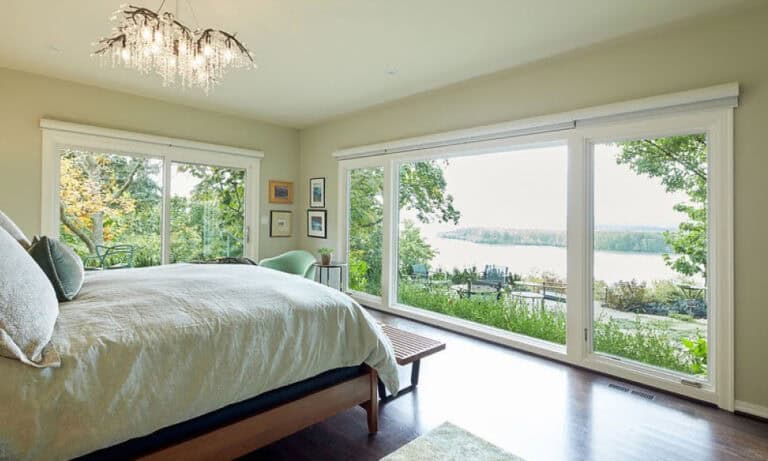
Custom Addition Design
Collaborate with our designers to plan an addition that matches your lifestyle, whether it’s more room for family, entertaining, or a private space.
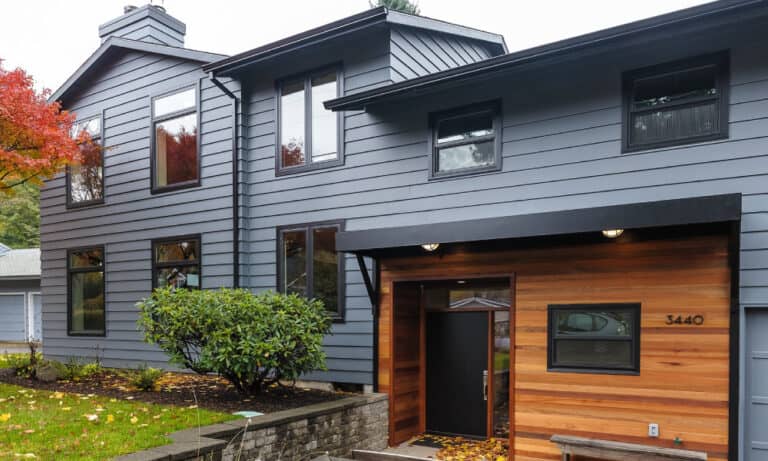
Second-Story Additions
Add vertical space with a thoughtfully designed second story that expands living areas while maintaining the character of your home.
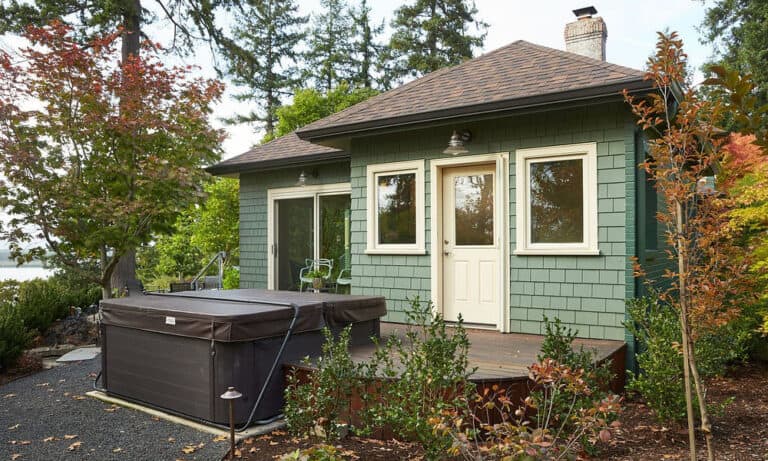
Room Expansions & Bump-Outs
Enjoy more space where you need it most, like kitchens, living rooms, or bedrooms, with carefully integrated bump-outs or extensions.
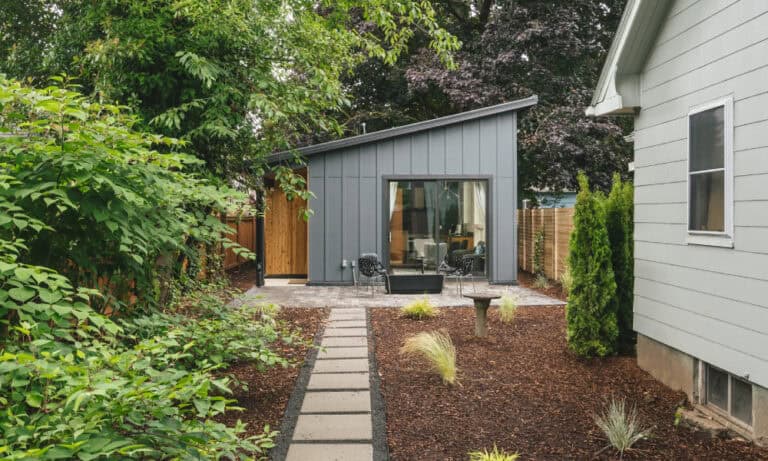
Accessory Dwelling Units
Create a self-contained living space for family, guests, or rental opportunities with a custom-designed ADU that’s stylish and practical.
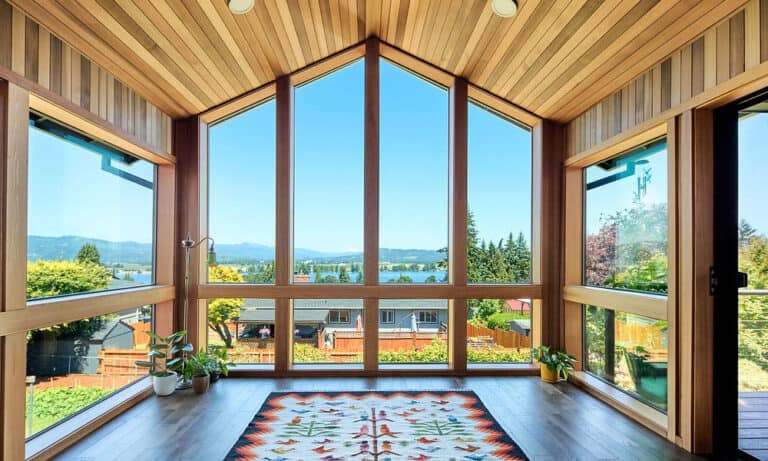
Sunrooms & Specialty Spaces
Bring the outdoors in your home with sunrooms, home offices, or other custom spaces tailored to your needs.
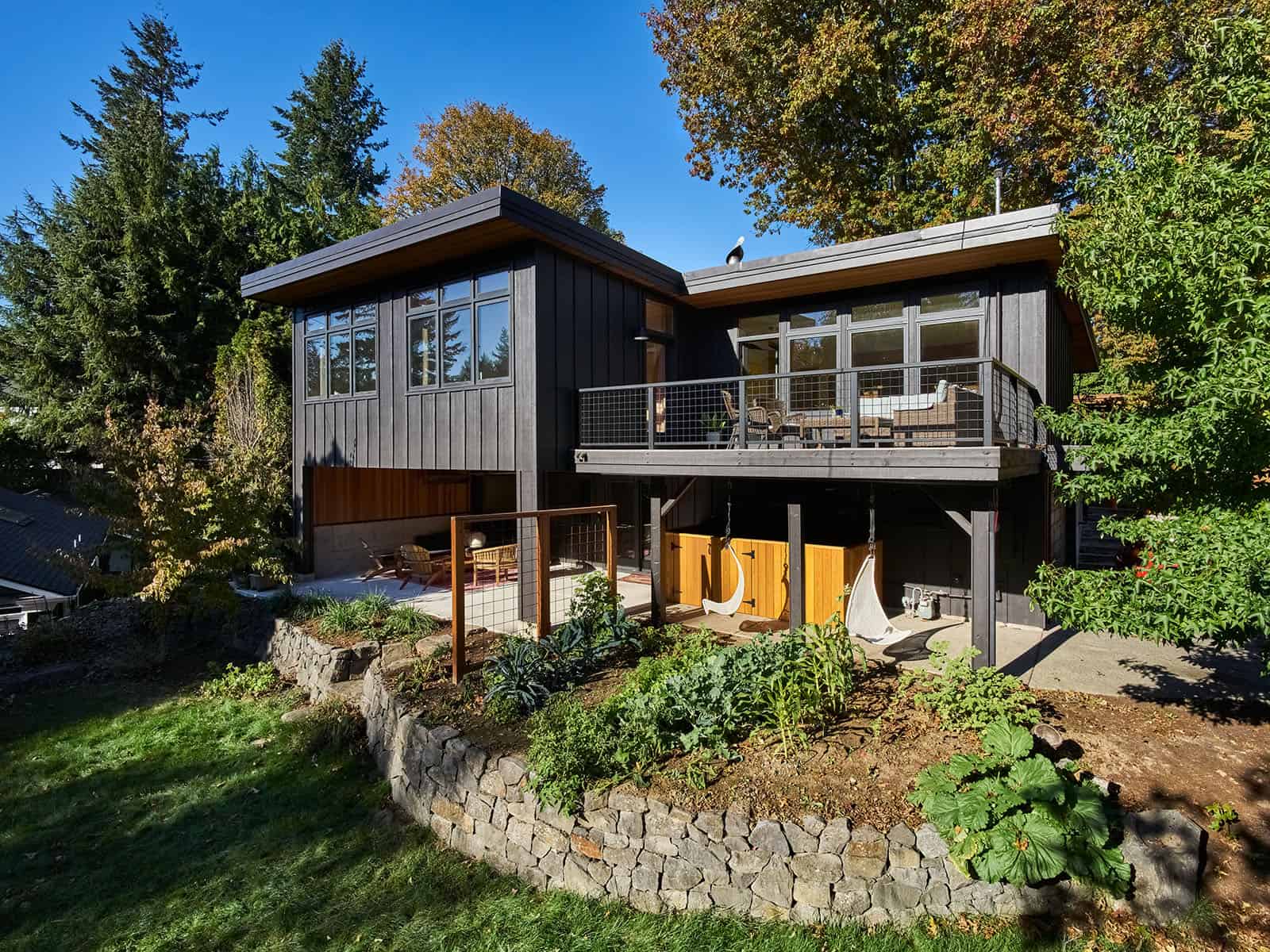
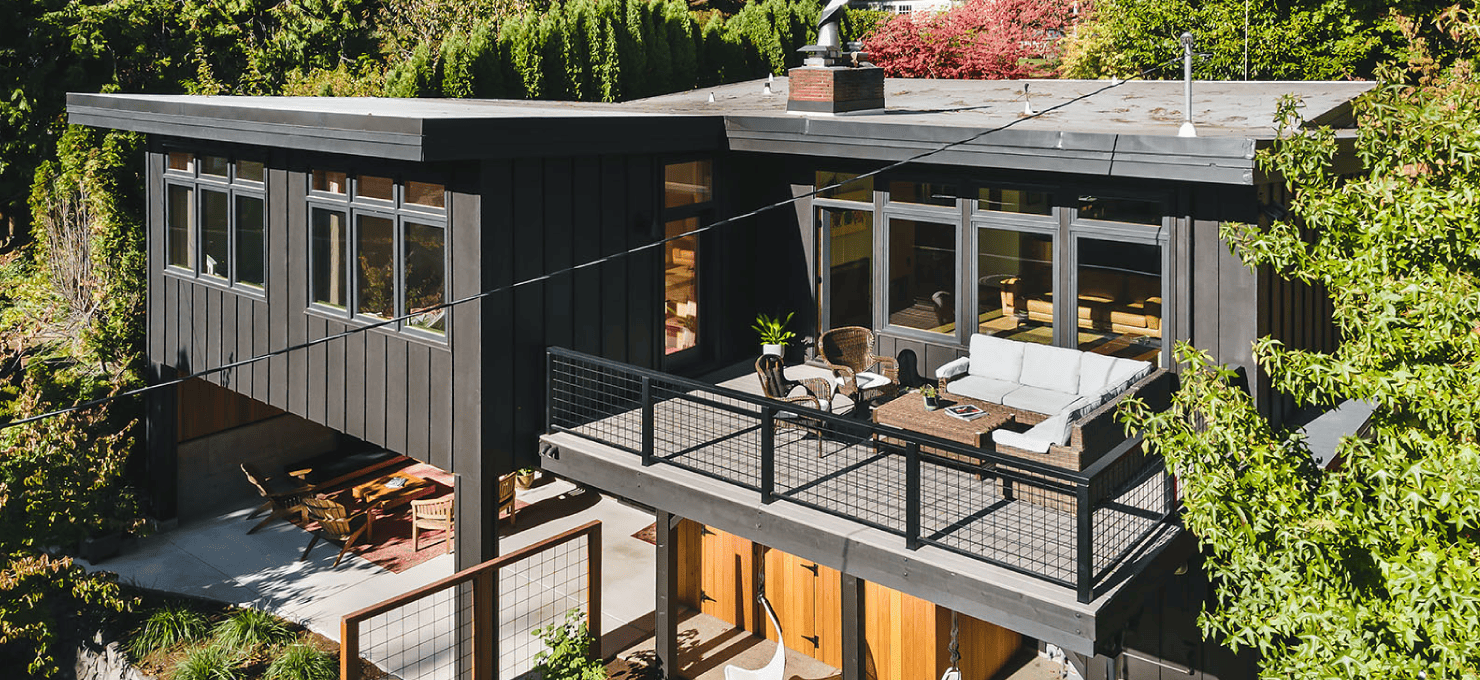
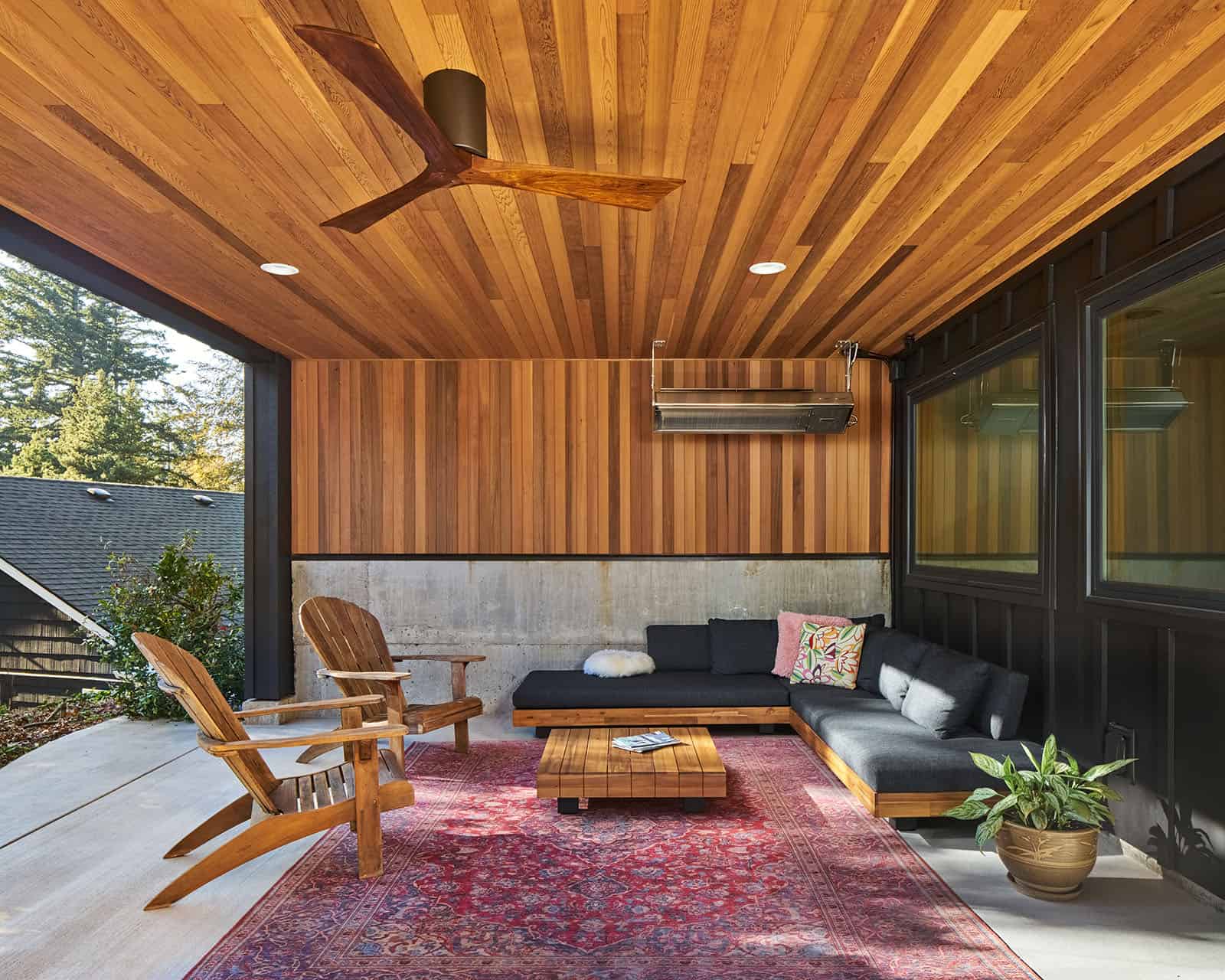
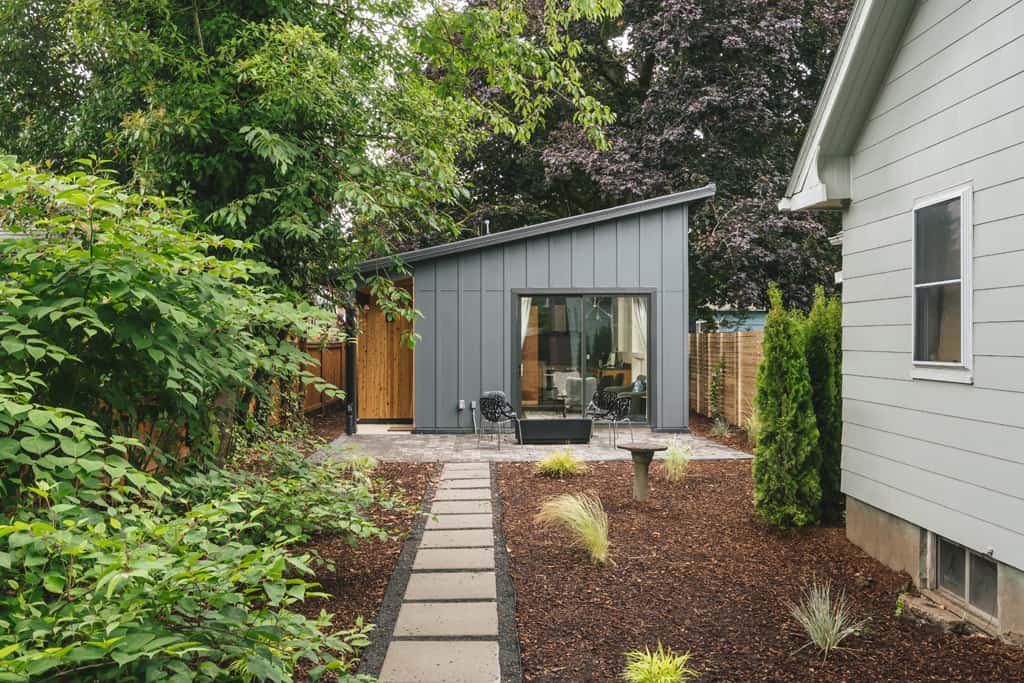
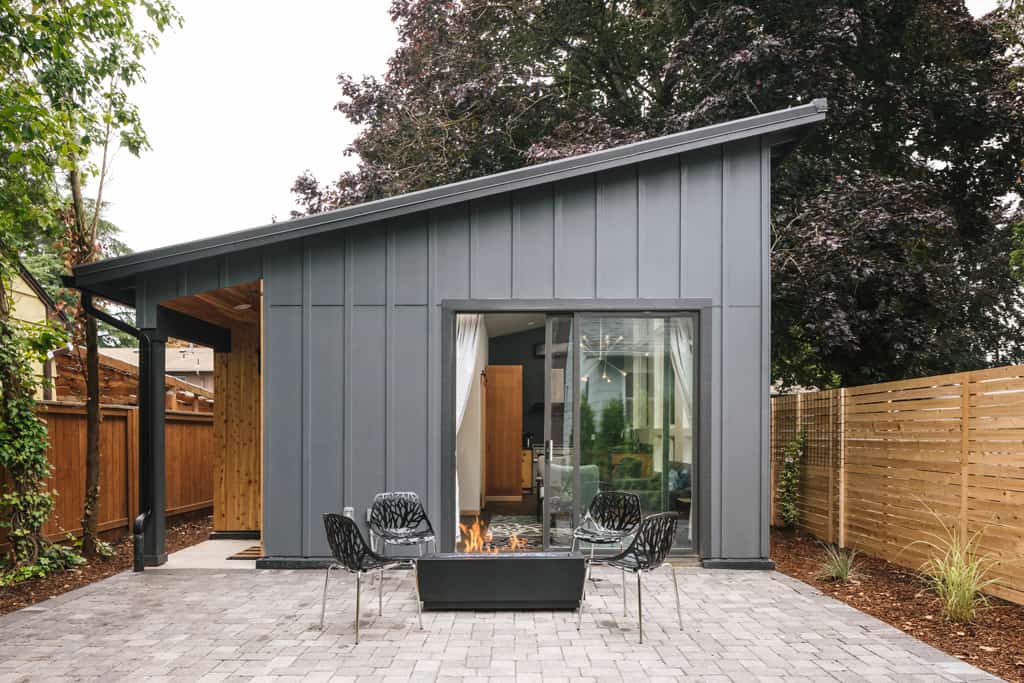
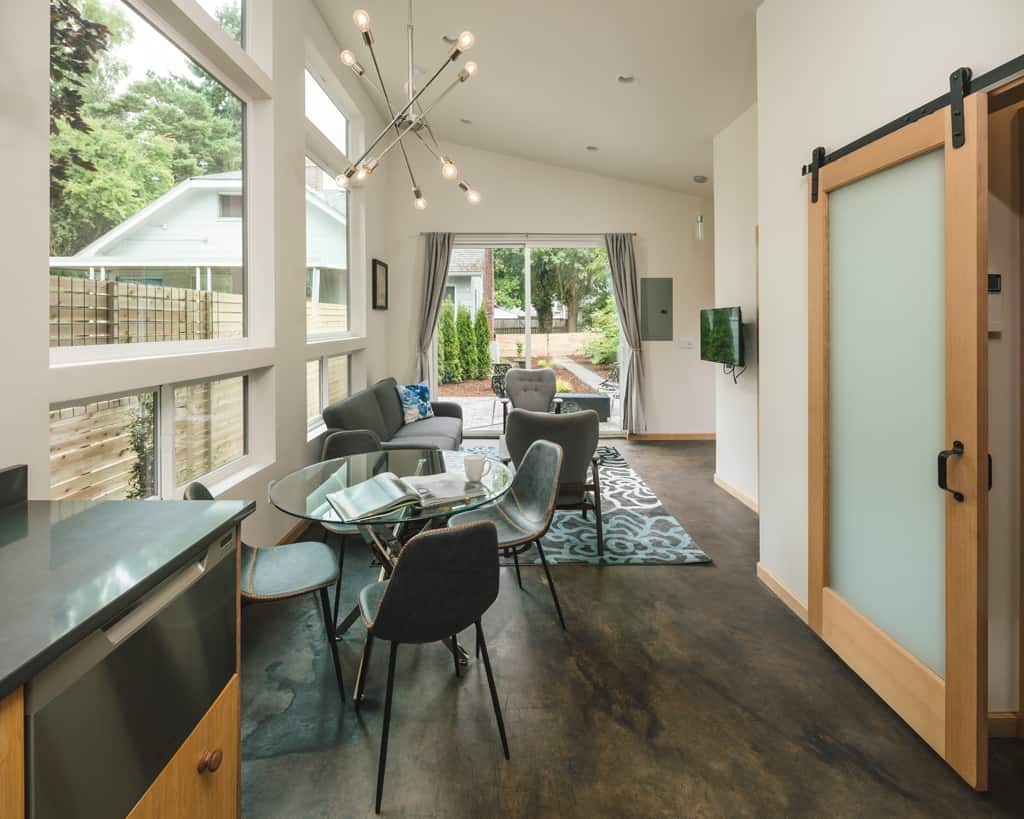
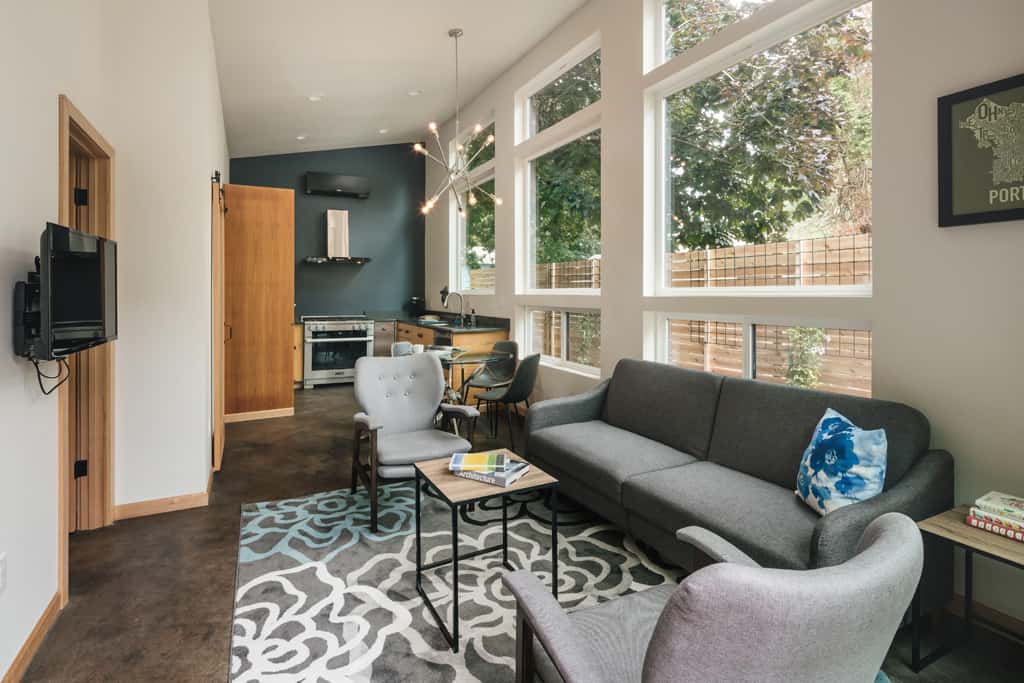
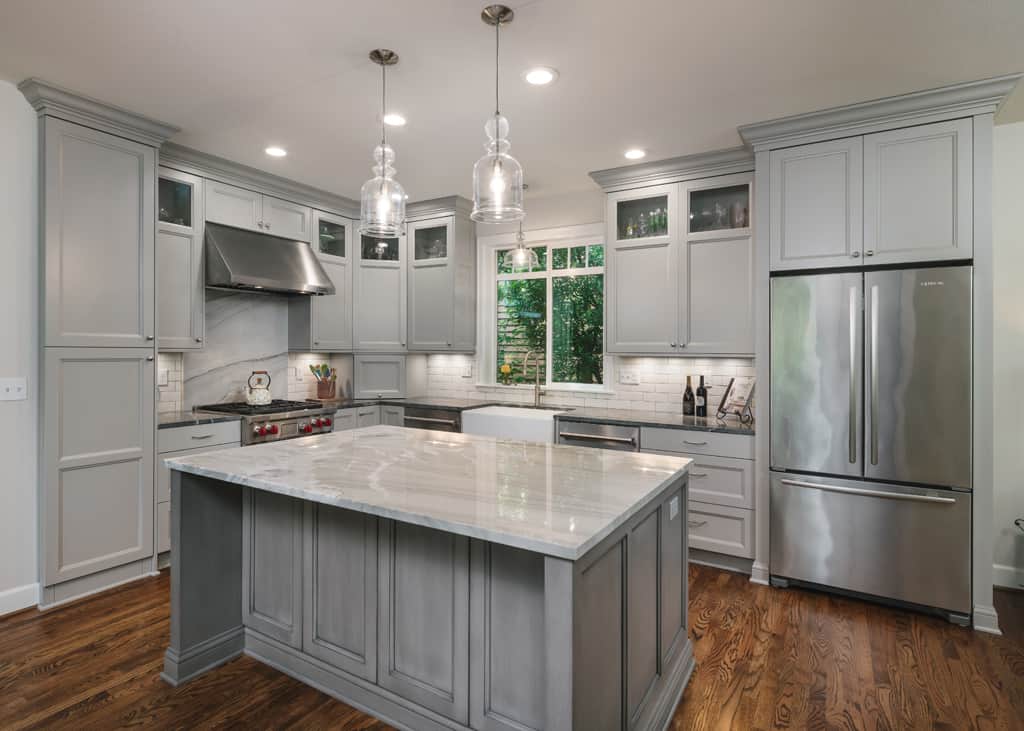
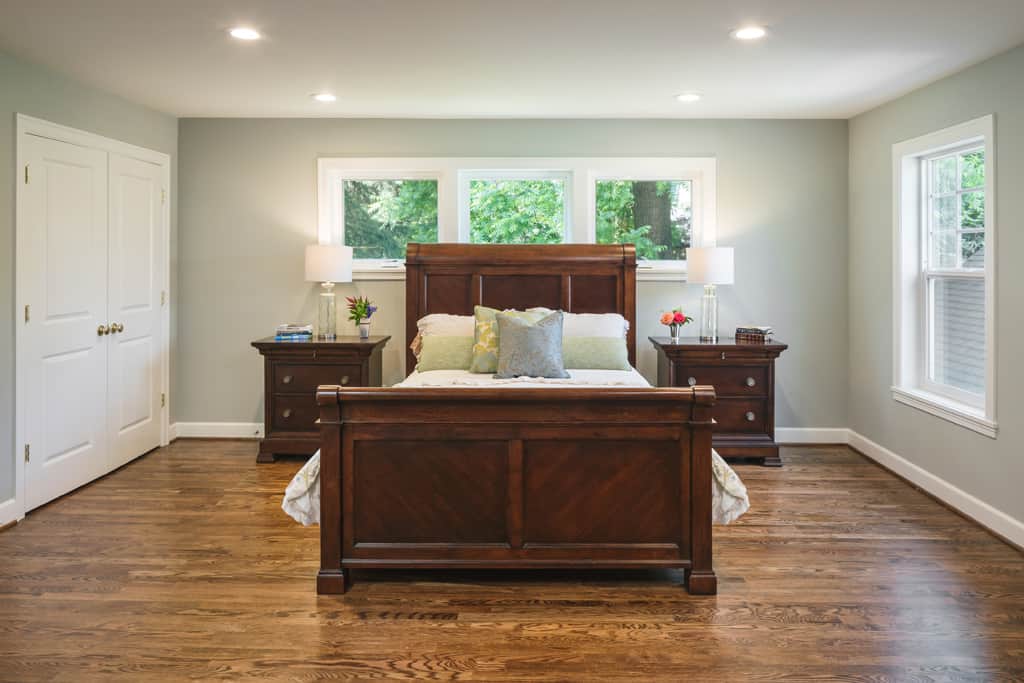
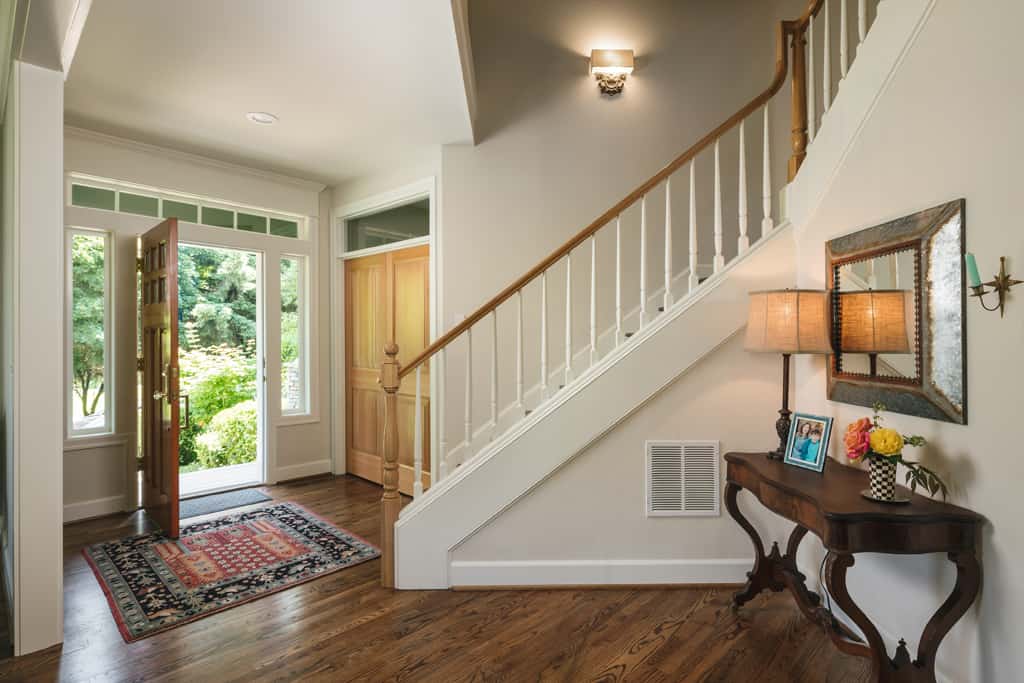
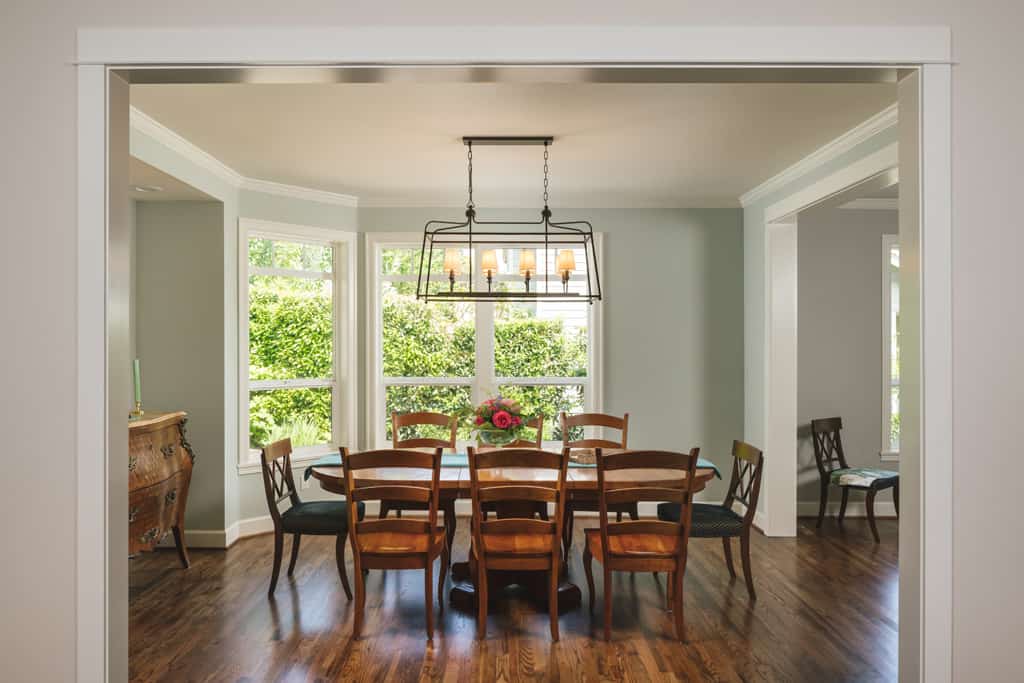
Explore Our Home Addition & ADU Transformations
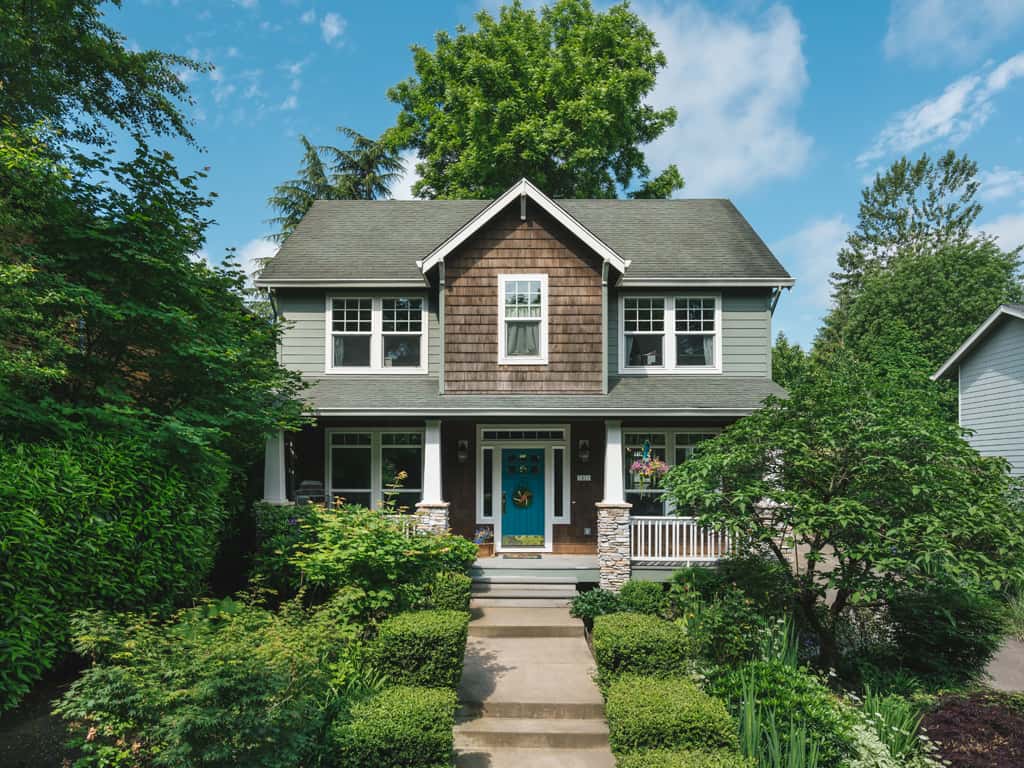
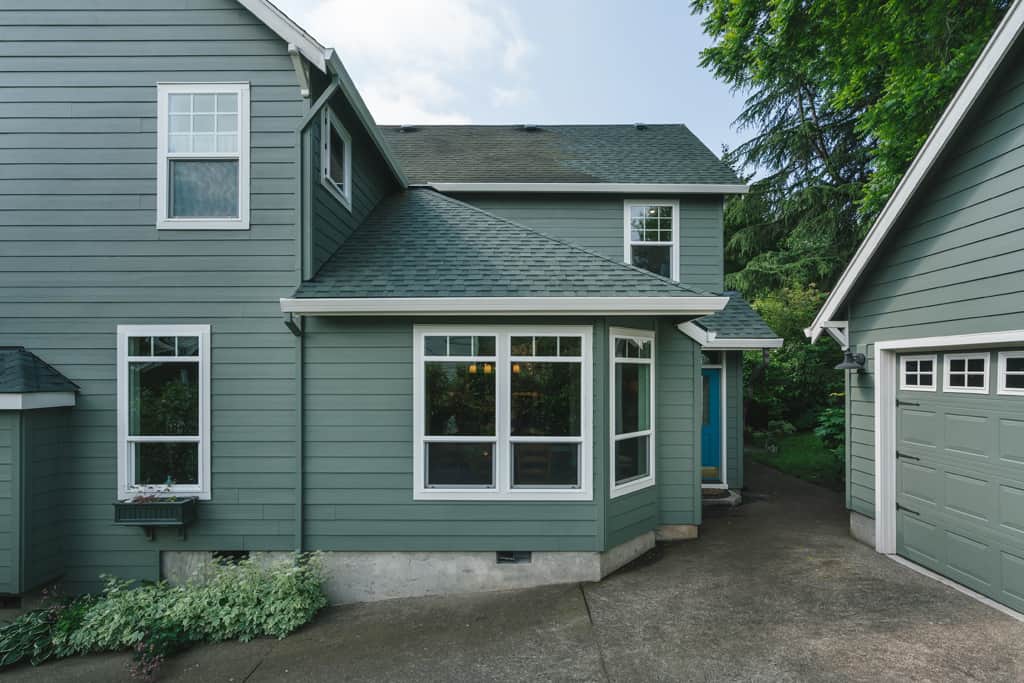
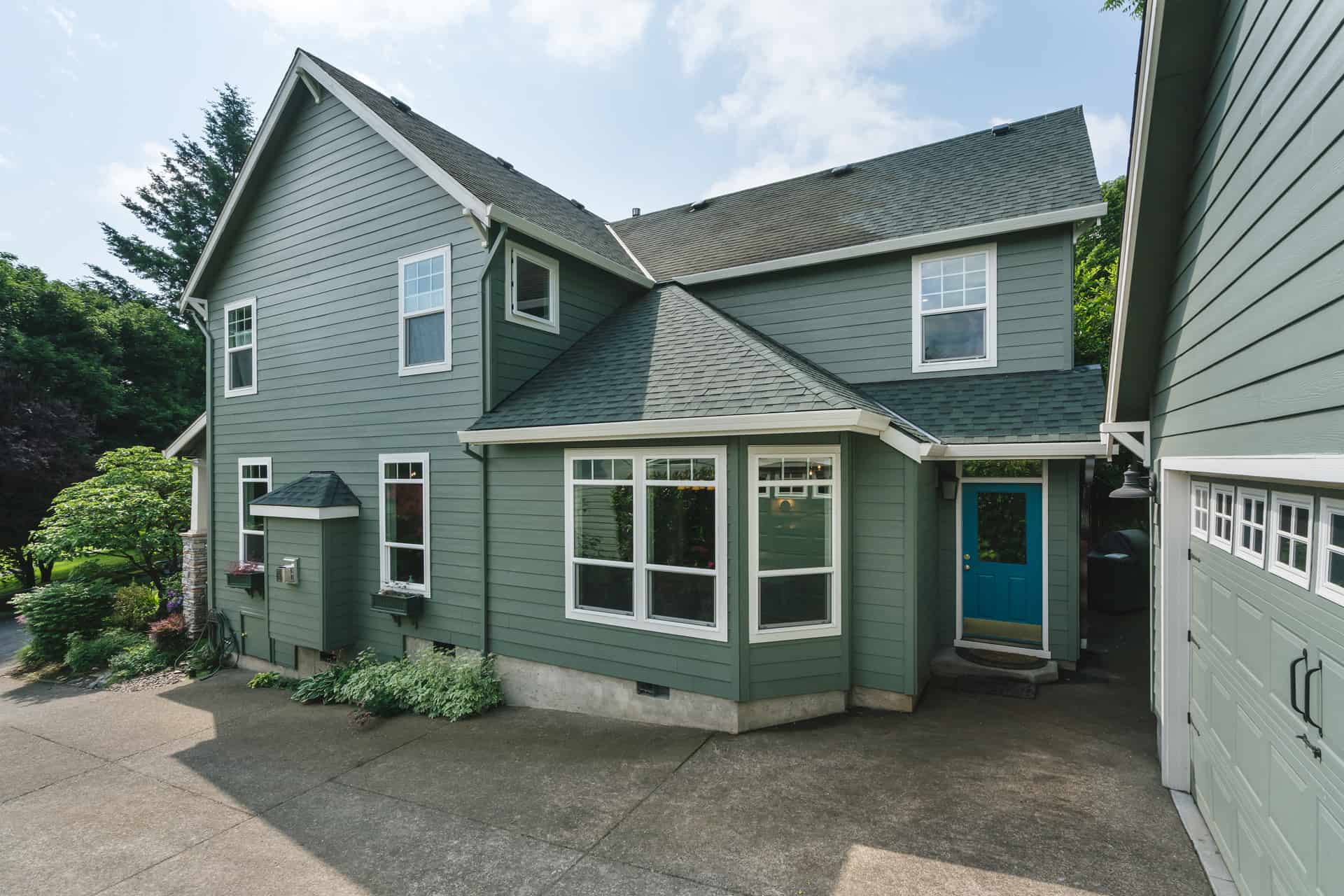
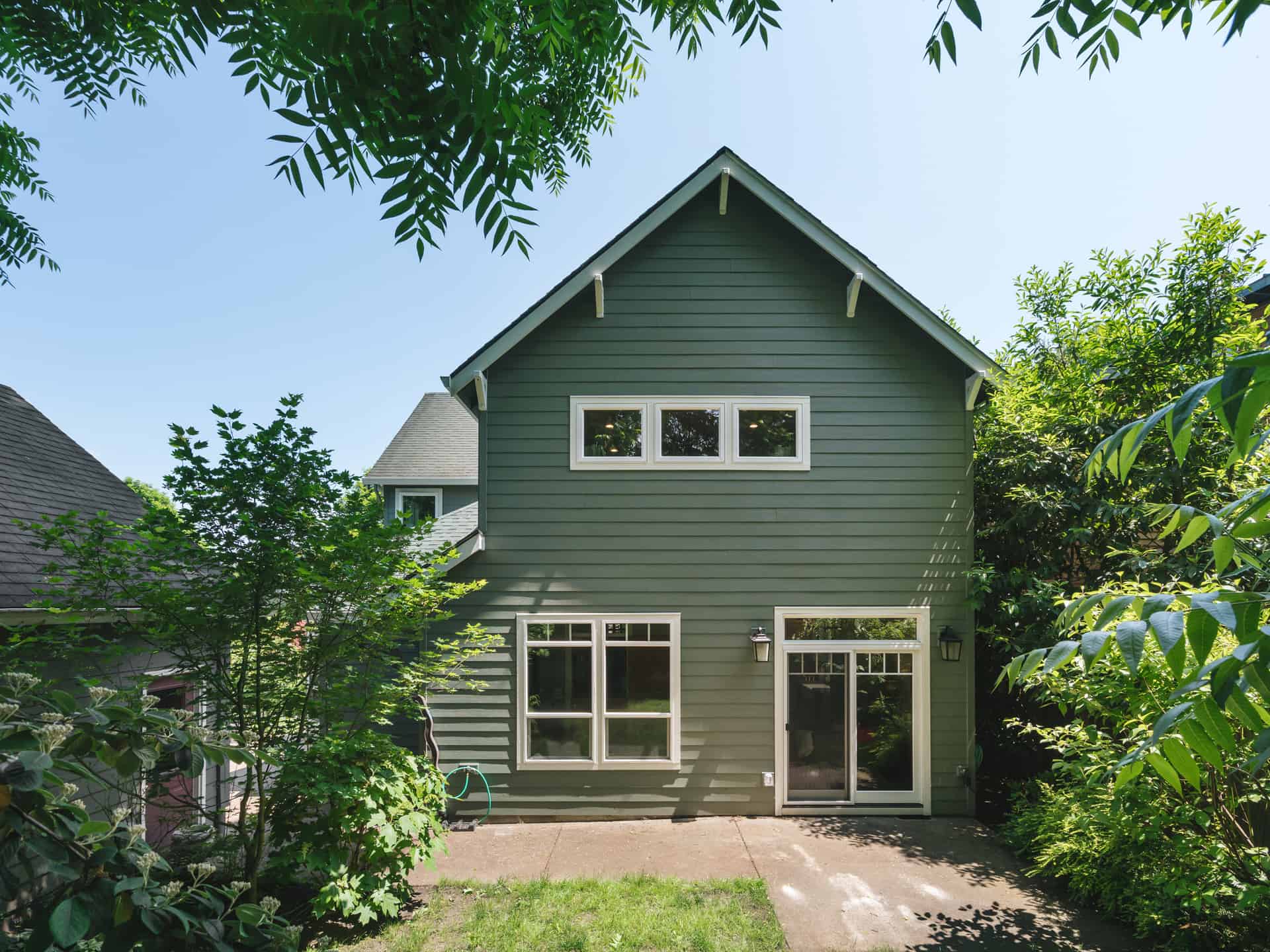
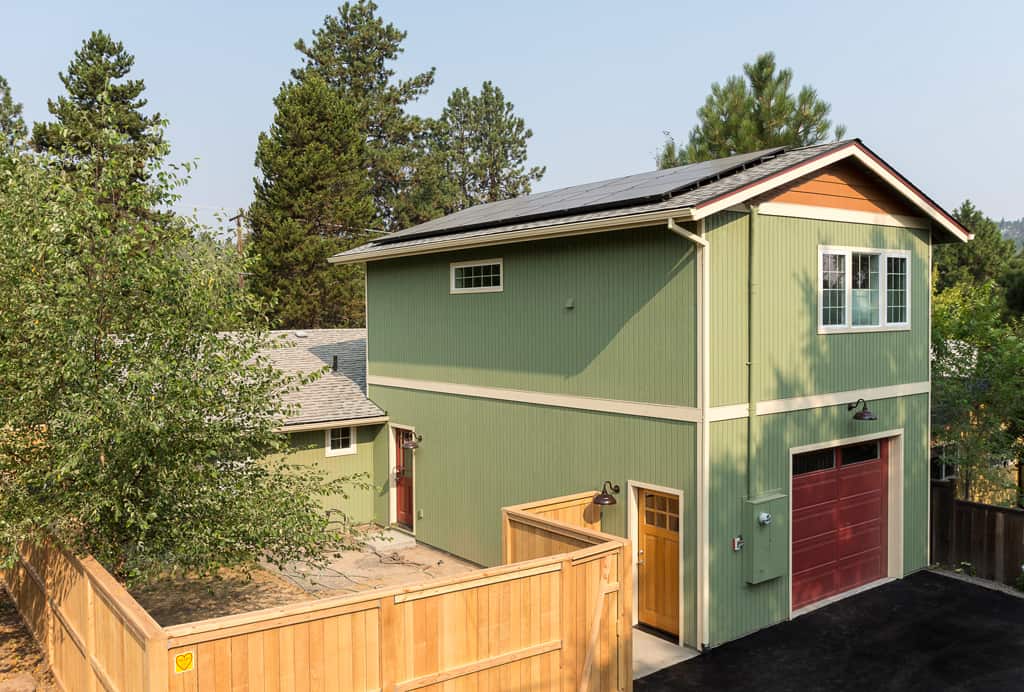
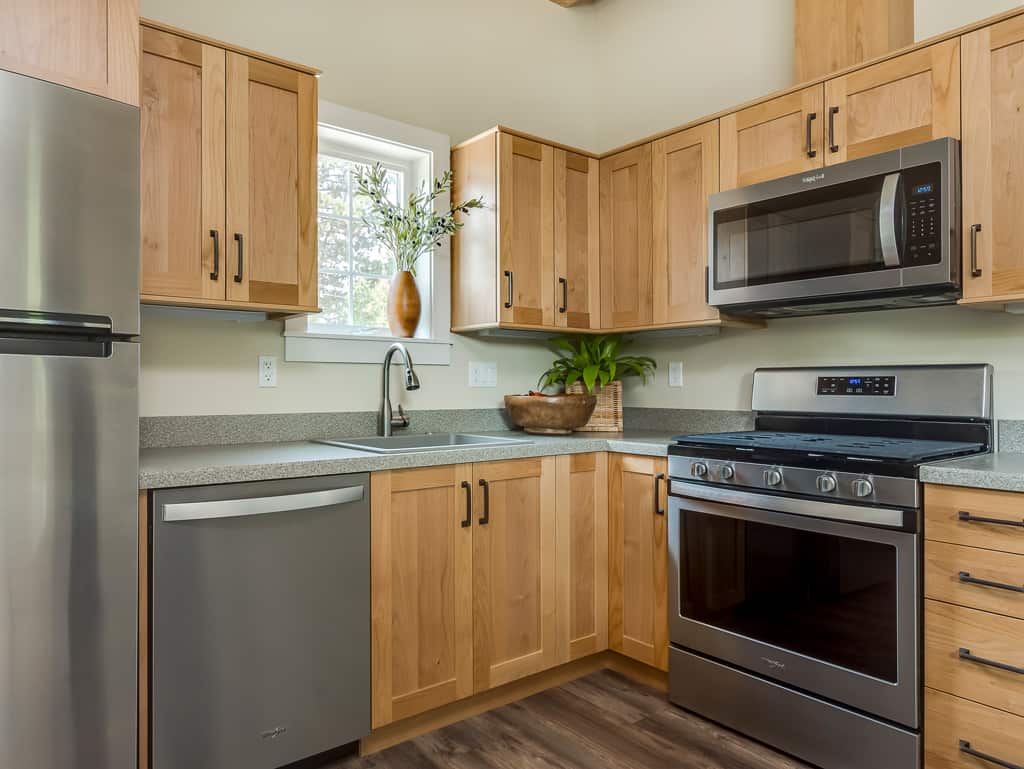
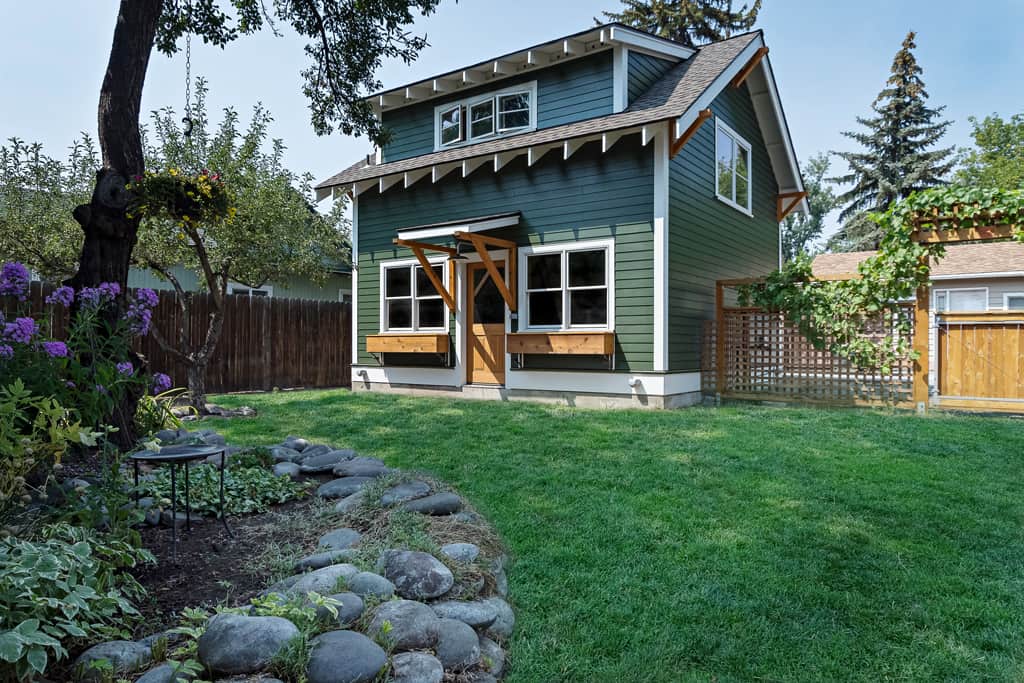
Discover the possibilities of expanding your home. Browse our gallery to see how thoughtful design and expert craftsmanship turn additions and ADUs into functional, beautiful spaces.
Additions & ADU Tips & FAQs
Add Value to Your Home With an ADU
Creating a custom Accessory Dwelling Unit (ADU) with Neil Kelly is an experience that blends innovation and craftsmanship. From the initial consultation to the final touches, our team works closely with you to design and build a unique ADU that exceeds expectations.
If you have an addition or ADU project you would like to discuss with our team, you can connect with one of our consultants in the following areas:
| – Portland, Oregon | – Eugene, Oregon |
| – Bend, Oregon | – Seattle, Washington |
Additions & ADU FAQs
Have questions about additions or ADUs? Our team provides answers to common questions homeowners have about the remodeling process.
What must my ADU include?
Depending on where you live, the requirements for an ADU include, but are not limited to:
- Sleeping, kitchen, and bathroom facilities
- At least one operable window or exterior door approved for emergency escape and rescue openings
- You must be able to open the window or door from the inside
- Heating controls are separate from the primary dwelling unit
- Connection to water and sewer services
To ensure your ADU complies with your local laws and regulations, talk to our team.
How much do accessory dwelling units cost?
It depends on the type of ADU you want to build, the type of property you have, the building regulations in your local area, and other factors.
The best way to learn specifics about project cost is to contact one of our designers about the project you have in mind.
Do accessory dwelling units have to be designed, or can you use off-the-shelf plans?
In general, ADUs designed to suit an existing property or structure are going to be more functional for residents and create more resale value for homeowners. However, some municipalities in Oregon are offering plans that are pre-approved to streamline the permitting process, and plan sets are available from various sources. Your Neil Kelly Design Consultant can help you choose a starting point that meets your project vision and goals.
What are the legal requirements for building accessory dwelling units?
In many states, a building permit is required to build a new structure or convert attics, garages, or other spaces into a living space like an ADU. Depending on your project, you may also need electrical, plumbing, or mechanical permits.
The best way to find out specifics about ADU construction in your area is to speak with one of our designers.
Can I rent out my ADU?
In Oregon and Washington, you can rent out an ADU, but you must ensure it meets all local zoning regulations and building codes for long-term occupancy, not as a short-term rental (such as an Airbnb or VRBO).
Renting out an ADU involves being a landlord, and each city may have different requirements that must be met. It’s important to check your specific city's development code and regulations and verify that permits and licensing requirements are in place.
Will building an ADU increase my property taxes?
Yes, building an accessory dwelling unit will likely increase your property taxes in both Oregon and Washington because it adds value to your property.
However, the property tax is not applied to your entire home, and the exact amount depends on your local tax rules and the ADU’s size and features.
What are the zoning requirements for building an ADU?
Zoning rules vary by city, but generally require:
- The property is residentially zoned.
- The ADU meets size limits (often 500–1,200 sq. ft.).
- Adequate setbacks, height limits, and parking are observed.
- Permits are obtained before construction.
For more information:
Oregon ADU zoning
- Portland zoning requirements
- Bend zoning requirements
- Eugene - contact the city for specific information
Washington ADU zoning
Can I build an ADU before constructing my main house?
No, you cannot build an ADU before your main house because ADUs are legally defined as a secondary living space to your primary residence. Most zoning codes require the primary residence to be established first.
Can I build an ADU on a historic property?
Yes! It is possible to build an ADU on a historic property, but it may require meeting specific design standards or undergoing a Historic Resource Review process to ensure your new space is compatible with the historic context of your existing home.