





Basic
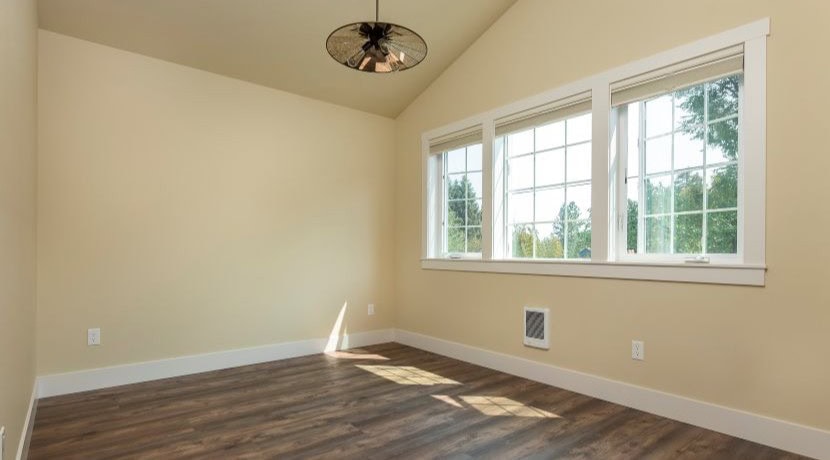
A Finished Space. No Frills.
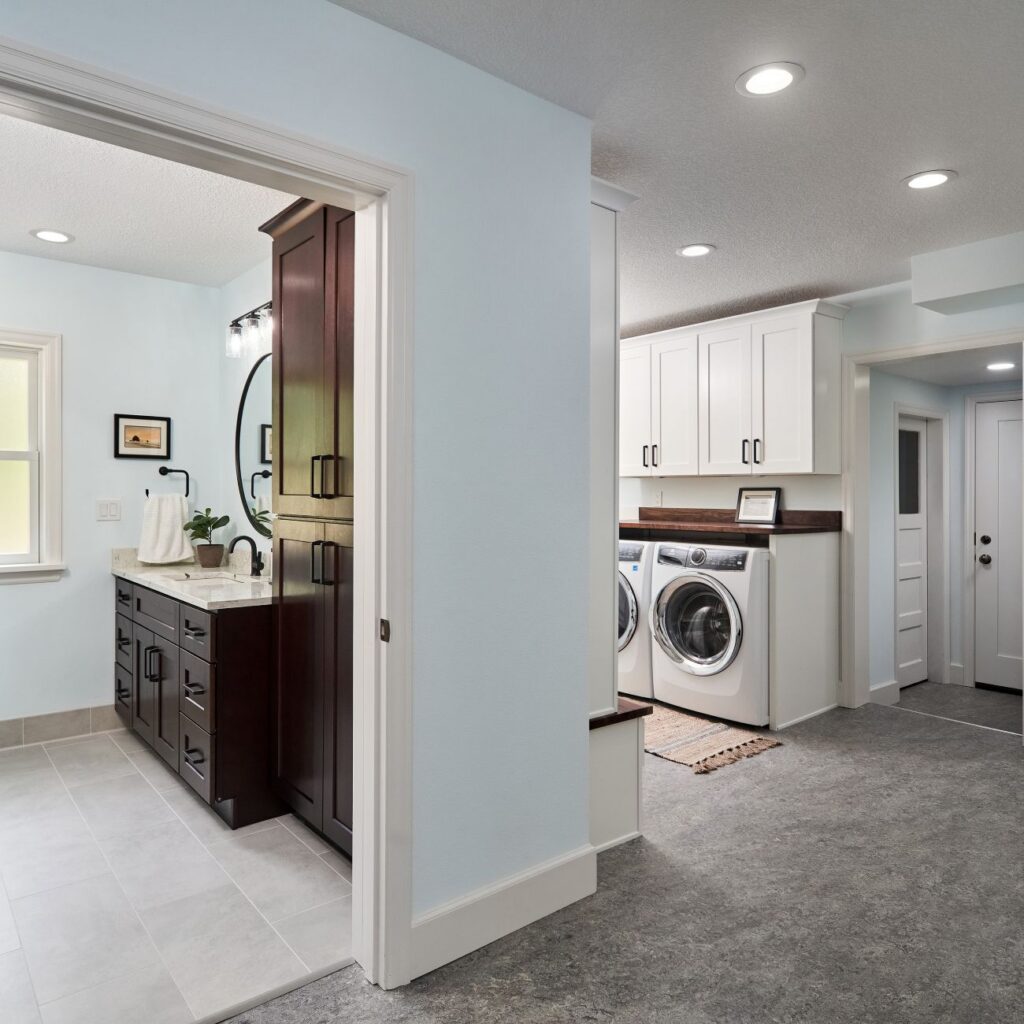
This is the most straightforward conversion: insulation, drywall, flooring, lighting, and making sure any stairs are up to code. The space becomes usable without requiring significant structural work.

Converting an unfinished space into one that finally serves a purpose can change your home—and your life. After 80 years of finishing spaces in homes like yours, we can give you straight answers on what it will cost and how long it will take to reach your goals.
Not all conversions are the same. The right scope depends on how you want to use the space and what the existing space needs to get there. For example, a basement with low ceilings may require floor excavation. An attic may need dormers. A garage floor with cracks has to be addressed before anything else. We look at all of it before we give you a number.
A Finished Space. No Frills.
This is the most straightforward conversion: insulation, drywall, flooring, lighting, and making sure any stairs are up to code. The space becomes usable without requiring significant structural work.
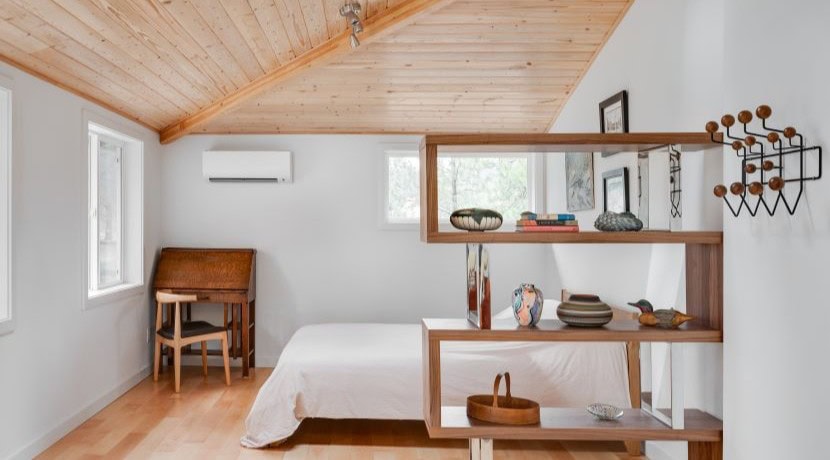
Bedrooms and Specialty Use.
This scope goes beyond basic. Creating a code-compliant bedroom in a basement or attic often requires structural work for egress (emergency exit). We'll also help you reach your goals for specialized uses like a home theater, gym, or wine storage.
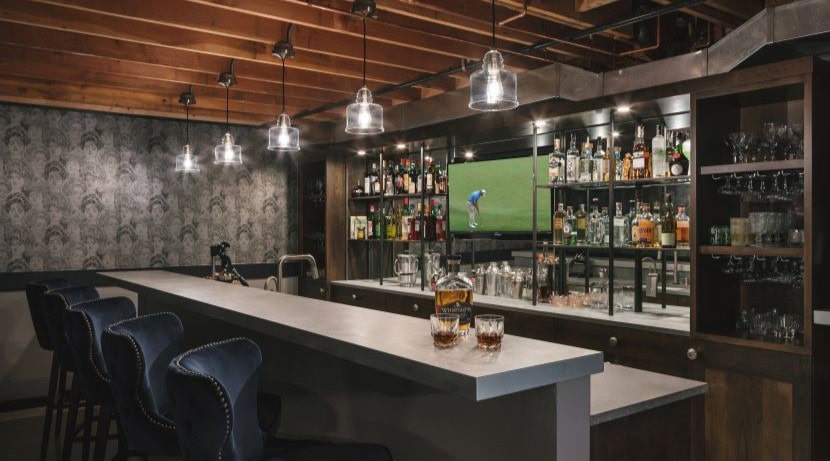
Plumbed to Perfection.
Convert your unfinished space into an entertainer's dream with a full wet bar or a guest suite with a bathroom and kitchenette. This will require plumbing and structural work, plus cabinetry, countertops, fixtures, and more.
Every Neil Kelly remodeling project moves through six phases. The process is built so you know what's happening, what's coming next, and what you need to decide — before you have to decide it.
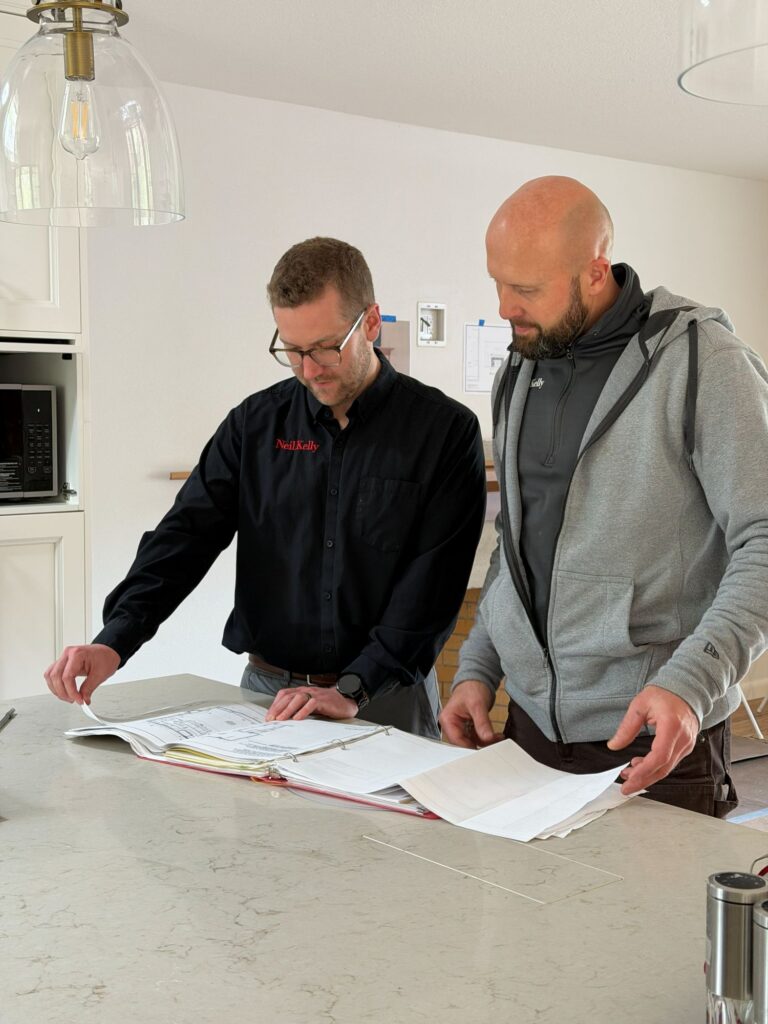
A Neil Kelly designer will come to your home for free 60-to-90-minute discussion. We'll talk through your goals, your constraints, and what's actually possible in your space. No commitment required — and no need to tidy up first.
Floor plan options, materials direction, scope confirmation. You'll see alternatives, have your questions answered, and further shape the direction before any detailed drawings are made.
Full plans, full specs, every material selected. This is where your concept becomes a clear direction and pricing gets finalized.
The number you see is the number you pay. Permits filed, materials ordered, schedule set. No surprises when construction starts.
Construction by Neil Kelly's in-house craftspeople. A dedicated project manager handles the trades, the schedule, and the daily details. Weekly updates, no guesswork.
Final walkthrough. Anything that's not right gets fixed before you sign off. Five-year warranty coverage starts on completion.
Conversion costs vary more than most people expect, and the gap between a rough estimate and a real number usually comes down to these four factors. Understanding them early makes for a more grounded conversation before design begins.
Conversions start with what the space already has — and what it's missing. Basement egress windows, attic floor reinforcement, garage framing and insulation: the structural work required to make an unfinished space livable is the biggest cost driver and the hardest to estimate without a site evaluation. The more the existing structure needs to change, the more the project costs.
Every finish selection in a conversion sits on a spectrum from durable and budget-conscious to fully custom. In a space that's starting from scratch, those decisions add up across every surface. A designer can help you build a finish plan that reflects the way you'll actually use the space.
Unfinished spaces can look straightforward until the work begins. Low ceiling heights, inadequate insulation, outdated electrical panels, and moisture intrusion are common conditions in basements, attics, and garages — and bringing them up to code is part of what makes a conversion a real project. We evaluate carefully before pricing so those requirements are accounted for from the start.
Taxes and labor costs vary across Bend, Eugene, Portland, and Seattle, as do permitting fees and inspection requirements.
Converting unfinished space in the Pacific Northwest comes with a predictable set of complications. Here's what we encounter on projects like this, and how we handle it.
Basement, attic, and garage conversions require permits, and in Portland and Seattle that can mean navigating real backlogs. Conversion permits can also trigger additional inspections that standard remodels don't. We file early, follow up consistently, and build a timeline into your contract that accounts for the full process. .
Basements and attics are where moisture problems live in PNW homes. After 80 years working in this climate, we know how to find it, fix it, and build against it. Every conversion includes the venting, vapor barriers, moisture-rated materials, and detailing that keep a finished space performing the way it should.
The unfinished spaces in older homes are often where deferred maintenance collects. Outdated wiring, undersized insulation, and compromised framing are common finds in basements, attics, and garages built 50–100 years ago. We plan for what we're likely to find and tell you quickly when something affects the scope.
Attic floors weren't built to carry living space loads. Garage slabs weren't poured with finished interiors in mind. We assess structural capacity early in the process so the work required to make the space safe and code-compliant is part of the plan before construction begins.

The cost of a basement conversion depends on what you're starting with and what your goals are. Your current basement conditions will determine costs for essential things, like structural work, excavation for added headroom, waterproofing, utility upgrades, egress windows, insulation, and permits. Your goals may determine costs for optional things like cabinetry and other built-ins, upgraded finishes, entertainments systems, etc. Meet with a Neil Kelly designer for a project-specific estimate.
Garage conversion costs vary based on scope and finishes. Essential costs include structural work, utility upgrades, insulation, permits, and access modifications. Optional upgrades add to the total. Contact a Neil Kelly designer for a specific estimate.
Attic conversion costs depend on structural requirements, headroom needs, utility extensions, and finishes. Neil Kelly provides project-specific estimates after evaluating your space. Contact a designer for a consultation.
The timeline of building a basement conversion depends on the scope of work. The construction phase of finishing a basement without any plumbing or custom work usually takes 2-3 months. A more complex scope, such as adding a bathroom or kitchen(ette) can take 6-12 months for construction.
It depends on the type of conversion and your city regulations. You will need a permit to convert an unfinished attic, basement, or garage to a living space. You may also need electrical, plumbing, or mechanical permits depending on your project scope. Neil Kelly Project Managers handle all necessary permits.
Yes. Neil Kelly can reimagine your garage as a gym, studio, guest suite, or workshop with tailored design and finishes. Suitability depends on your city zoning and permit rules, structural strength, and whether utilities (plumbing, heating, electric) can be extended to the new space.
Your attic suitability depends on your city zoning and permit rules, your property structural strength, and access considerations such as space for stairs or entrances. Utilities (plumbing, heating, electric) must also be extendable to the new space. Neil Kelly helps you navigate all requirements.
Yes. Converting a basement into a bedroom is possible but typically requires meeting egress requirements (such as egress windows), minimum ceiling height standards, proper insulation, and electrical/lighting upgrades. Neil Kelly manages all code compliance as part of the design-build process.
An egress window is a window large enough to serve as an emergency exit. Building codes typically require egress windows for any habitable below-grade space. Requirements specify minimum opening dimensions. Neil Kelly handles all egress and code compliance as part of conversion projects.
Requirements vary by municipality, but both the State of Oregon and the City of Seattle, Washington follow International Residential Code (IRC) for egress windows. The minimum opening requirement is 5.7 sq ft of open area. The window should have a minimum 24in height, 20in width, and be no more than 44in above the finished floor. Neil Kelly manages code compliance as part of the project.
Most building codes require a minimum ceiling height of 7 feet for habitable basement space. In Portland and Seattle, a minimum height of 6ft 8in may be allowed depending on your project. Obstructions like beams and ducts may drop to 6'4" or 6'2" depending on your city and project. Neil Kelly team evaluates your specific basement during the design phase.
Ready to talk about your specific project? Connect with the Neil Kelly team in your area. Each location has its own designers, project managers, and design center.
A Neil Kelly designer can evaluate your space and tell you what it would actually take to convert it. No commitment, just a clear conversation about what's possible and what it costs.